
Neighborhoods: where the city comes to life

For each of us, there’s a place in the world that feels so familiar we never have to think twice. We recognize the cars parked on the street, we know what time the bakery opens and when the children come out to play. Even though it has a name, for us it’s simply “our neighborhood”.
A city may be huge, with millions of people, and still seem empty and faceless. Our neighborhood may take up only a couple of streets and yet it feels as if it can accommodate an entire lifetime. It’s not about the size, but about the sense that it belongs to us and we belong in it. This is the feeling that brings a neighborhood to life. And ultimately, it’s the hardest thing to design for.
What’s a neighborhood anyway?
The answer is not as simple as it sounds. A neighborhood is not defined by its geographical boundaries, but by the familiarity and relationships that develop within them. The neighborhood is the place where day-to-day life becomes meaningful through chance encounters, set routines and small joys. This is what makes it valuable.
Quite often, neighborhoods are organized around landmarks that serve as points of reference: squares, churches, parks or even coffee shops. And all around them, a network of informal relationships that are not documented, yet give the place a special character and a life of its own.
It’s not by accident that some of the most popular neighborhoods in the world, such as Trastevere in Rome, Le Marais in Paris and Greenwich Village in New York, have some things in common: a central point, rhythm and a memory.
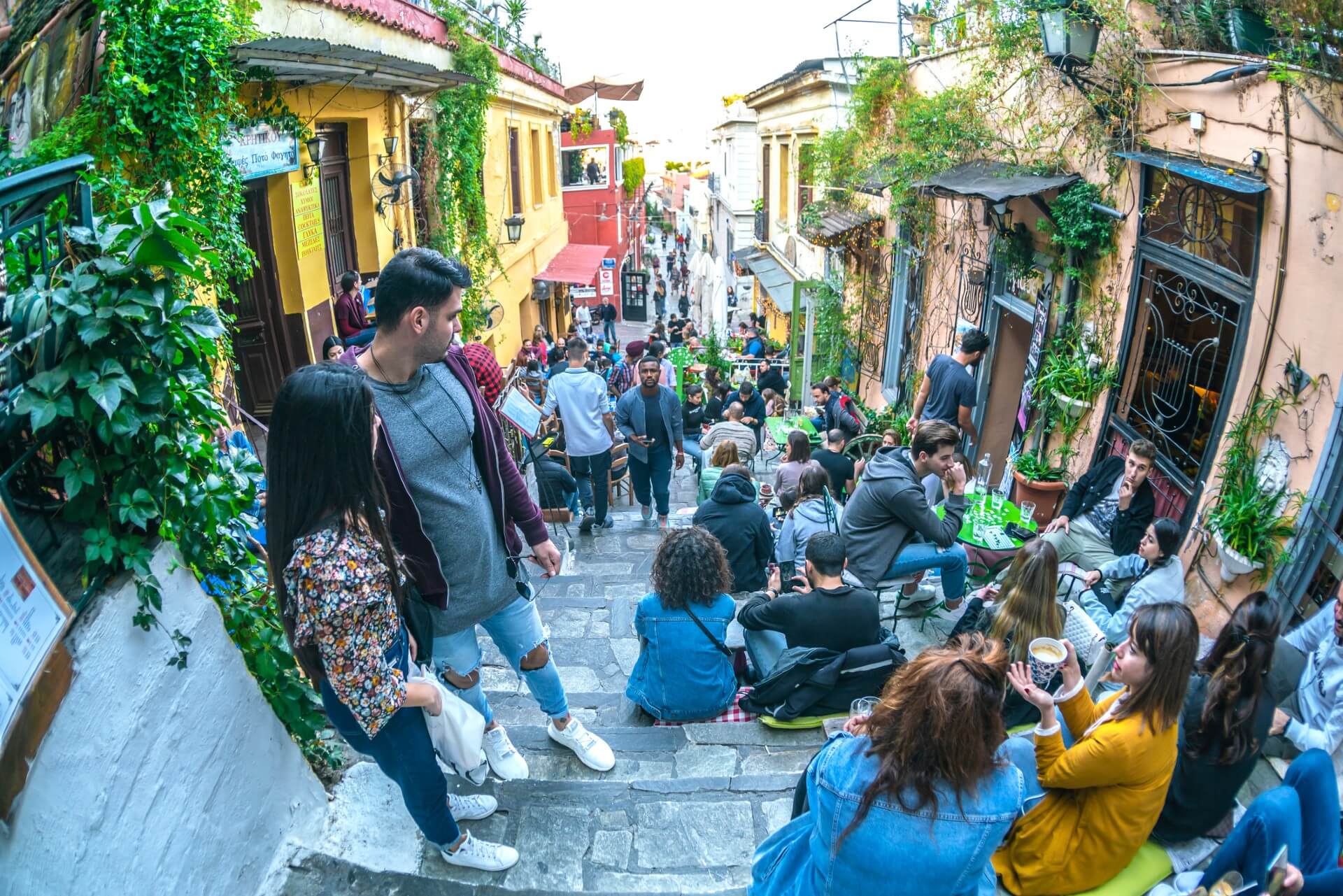
The neighborhoods of Athens
Athenian neighborhoods have their own special stories to tell. The first distinct quarters in modern Athens emerged at the turn of the 20th century, but the big change happened in 1922. The end of the Greco-Turkish War and the Burning of Smyrna brought hundreds of thousands of refugees into Athens, and they settled in new parts of the city, around its center. Neighborhoods such as Nea Smyrni, Vyron and Kaisariani quickly took on a strong identity, built upon common roots, solidarity and the memory of a land that was lost.
The next big change came during the 1950s and 1960s, with internal migration and the laws favoring the construction of affordable housing. Apartment buildings dominated the Athenian urban landscape. They replaced townhouses and drastically changed the character of the neighborhoods. Population density increased, buildings became mixed-use, but the sense of community was not lost – it simply changed shape.
The old Athens neighborhoods had something that you don’t see often anymore: cohesion. Not because they were uniform, but because their residents formed a net. They met their day-to-day needs at the local stores and shared a common rhythm of life. The grocer, the baker, the coffee house owner, the dressmaker – they were all part of this net that started to break down when Athens began to expand as an urban center.
When the neighborhood is reborn
After full decades when life in Athens revolved around cars, centralized activity and faceless infrastructure, there seems to be a shift. Neighborhoods are returning because of our practical need to have easy access to daily necessities, know the people around us and have a sense of belonging.
Today, neighborhoods like Pangrati, Koukaki and Kerameikos are being reborn. Young people, artists and small businesses are breathing new life into neighborhoods that had lost their special identity. And so a new question arises. Can a neighborhood be designed from scratch with all those traits that give it a special vibe? Or does it first need to go through a process of decline before it is ultimately revived?
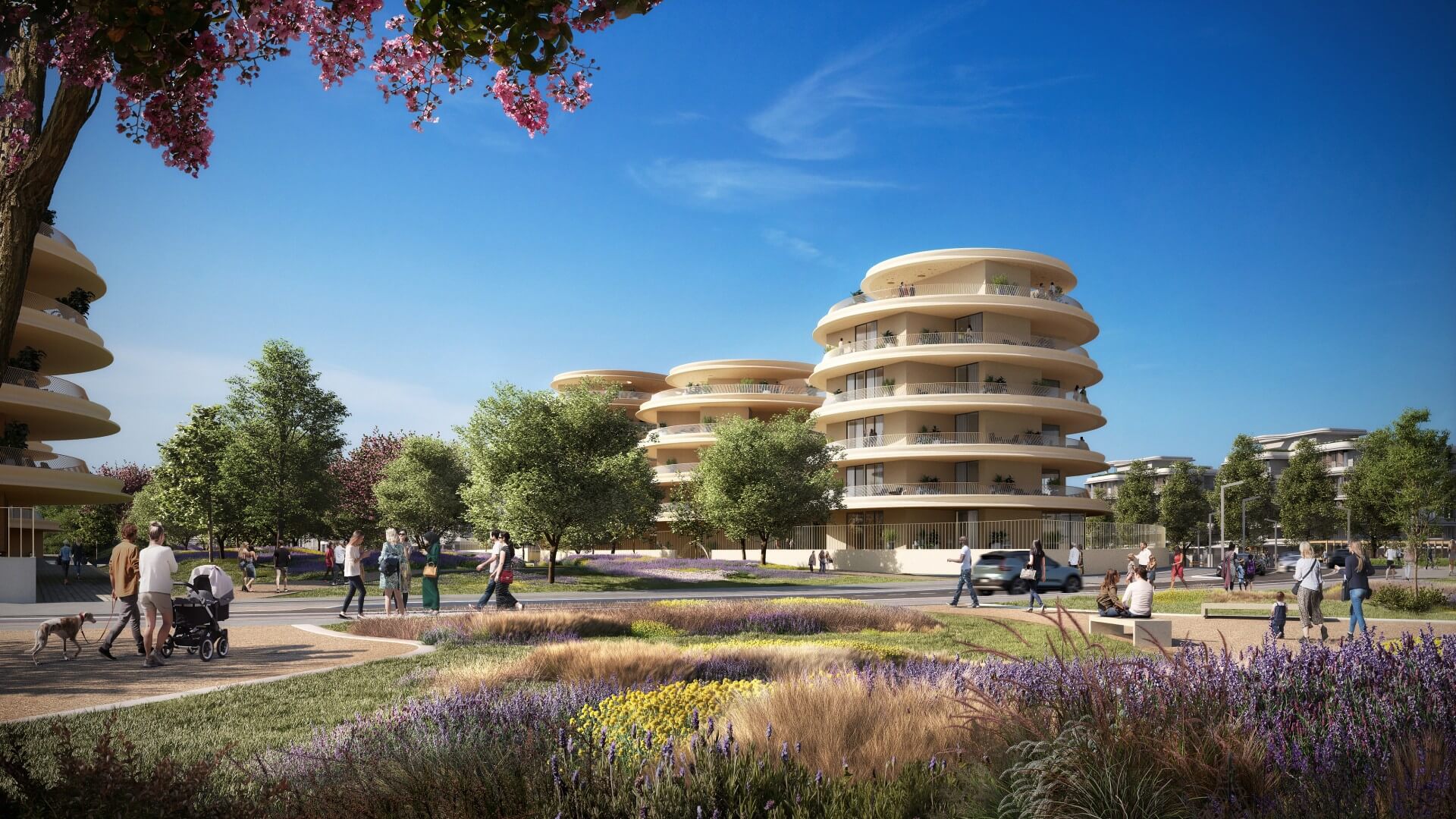
The answer comes from Little Athens, the new neighborhood that is being developed at The Ellinikon, with green spaces, stores for day-to-day needs, sports venues and restaurants. Designed to be centered around people, with public spaces that invite interaction, it aspires to become more than just a new city block. It aspires to become a neighborhood from day 1.