
Accessible cities: inclusivity in practice

How would day-to-day life be in a city where everyone can move around, work, and enjoy barrier-free public spaces? For millions of people, accessibility is not just about technical specifications; it is a key requirement for equitable participation in social and economic life.
Accessible cities are not an idea for the distant future. Everywhere in the world, all the more urban centers are being redesigned with the aim of becoming more functional, friendlier, and more inclusive for all.
What is an accessible city
An accessible city is an urban environment that can be used by all people safely, comfortably and independently, irrespective of age or physical ability.
Accessibility does not only concern people with disabilities. It also concerns senior citizens, parents with strollers, people with temporary mobility restrictions, and visitors moving around a city carrying their luggage.
To be truly accessible, a city needs:
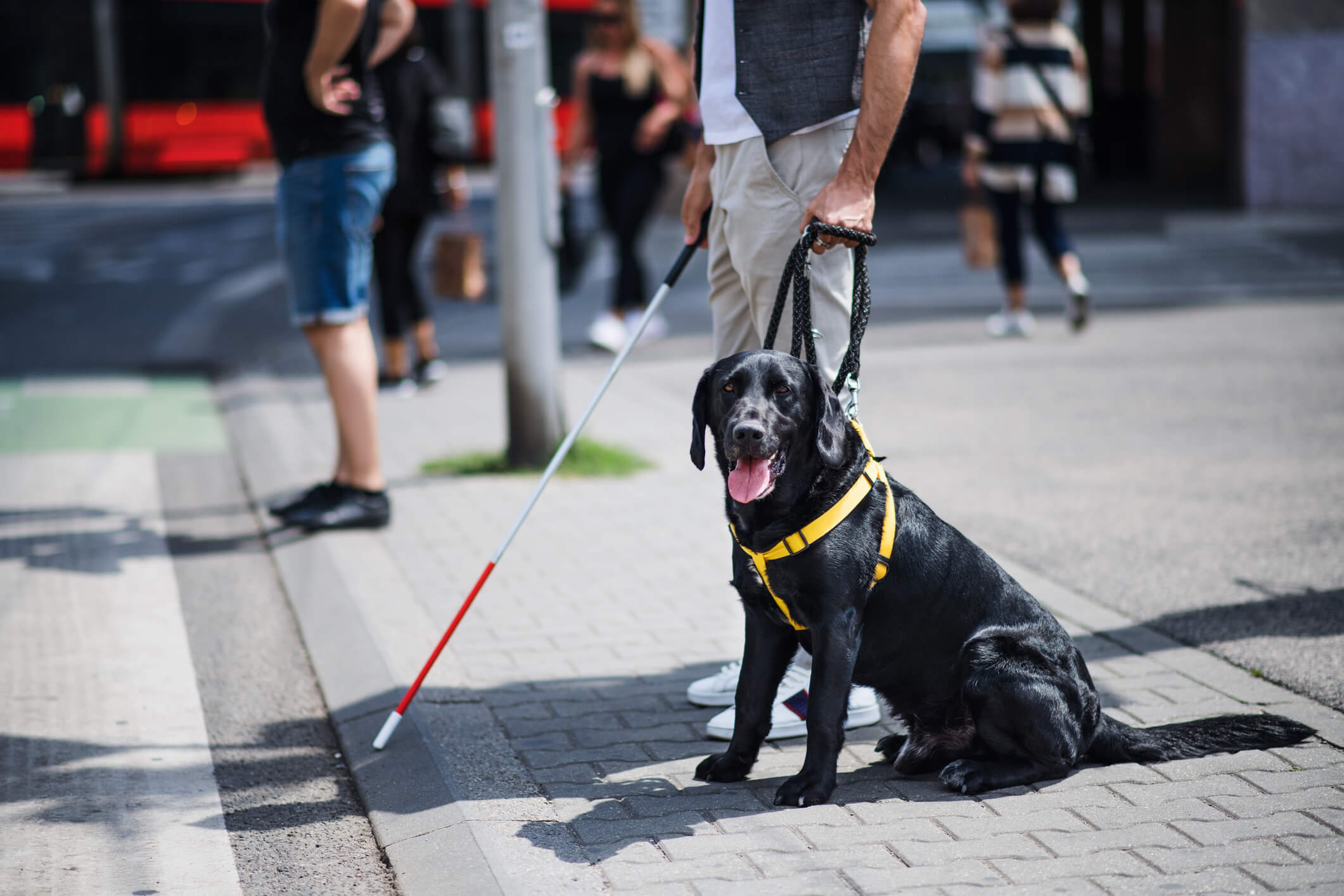
- Infrastructure – Wide and safe sidewalks, ramps, elevators, accessible parking spaces, suitably equipped public transportation, and acoustic pedestrian signals for visually impaired individuals.
- Technology and information – Digital apps and tools that provide reliable information and make navigating the city easier.
When the design takes everyone’s needs into account, cities become more functional, safer, and more humane. At the same time this enhances the local economy, increases city visits, and encourages the use of sustainable means of transport, such as walking and cycling.
Examples from the world
Accessibility is not a theoretical concept. In many cities around the world it’s already part of day-to-day life.
One of the most typical examples in Europe is Vienna. The metro stations and large majority of bus and tram stops are served by fleets of low-floor vehicles, and are equipped with tactile walking surface indicators and multi-sensory information systems. In 2025 Vienna received the EU Access City Award.
Zaragoza, winner of the 2026 Access City Award, stands out of its large, unobstructed sidewalks, its fully accessible tram network, and its certified digital services.
In Asia, Singapore has developed a comprehensive transportation and public space system that is fully accessible to wheelchair users, whereas the Shanghai metro is 100% accessible for persons with mobility and visual impairments.
In the US, Seattle has the AccessMap, a digital tool that offers detailed information about ramps, street slopes, and pedestrian crossings, aiding users in choosing routes they can navigate more comfortably based on their individual needs.
Accessible cities in Greece
In Greece too, all the more municipalities are investing in interventions that make public spaces more accessible and functional for everyone.
Kalamata has emerged as a good practice model, owing to its extensive ramp system, upgraded sidewalks, and accessible coastal front. Trikala makes use of smart apps and technologies, such as crossings with pedestrian detection and illuminated signs that improve day-to-day transportation for people of all ages.
Komotini has received a good practice label by the EU URBACT program owing to the participatory approach it used, integrating the needs of persons with disabilities in the design stage.
LAMDA Development: When accessibility turns into practice
Making cities more accessible does not fall solely on the State. It requires collaboration between public and private agencies that can play a meaningful part in improving daily life.
In this context, LAMDA Development has undertaken initiatives that support accessibility and inclusivity.
In partnership with the “Me All Matia” NPO, it has created IncluCity4All, a digital app that maps accessibility points in Attica for people with visual or mobility impairments.
The app offers:
- Information on infrastructure, public services, cultural spaces, and service points.
- Navigation functionalities that help users plan out their routes with added autonomy.
At the same time, at The Ellinikon, the accessibility principles are integrated at the design stage. An expansive network of routes, covering more than 50 km, with pedestrian tracks, bike lanes, and traffic-calmed streets creates an environment that is open and friendly to all.
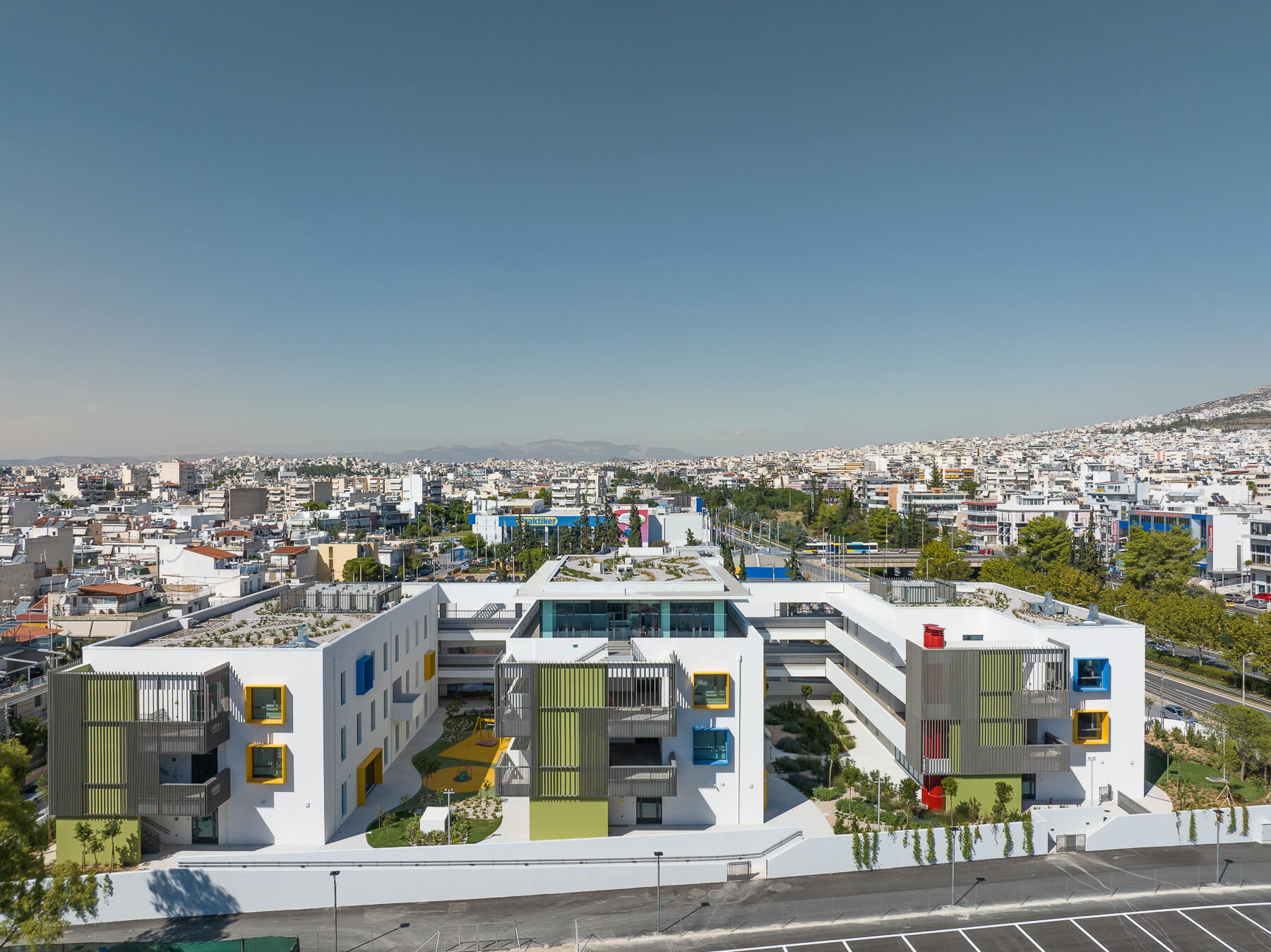
The Care Center for People with Disabilities, the first building that was delivered at The Ellinikon, holds a prominent place in this effort. It now hosts 5 associations for people with disabilities in a modern space that offers social care and support.