
A city for all ages

A Sunday afternoon in a square somewhere in the city. One child is trying to ride a bike without training wheels for the first time, while another is chasing pigeons. A little farther off, a group of teenagers has claimed the steps with a speaker and is laughing loudly. A couple of parents are sipping their coffee with one eye on the kids, while on a bench under the trees, two retired friends are exchanging views on the week’s news. Everyone is sharing the same space, yet each of them is doing something different.
This scene, so familiar to all of us, holds one of the most intriguing questions about the modern city. Can a public space truly make room for every age? Can the same spot serve as a playground, a hangout, a breather and a daily habit, all at once?
From dawn to dusk
Every age experiences the city on its own clock. For retirees, the day usually begins with a morning coffee at the same table as always. Parents are forever racing to keep up with work, school, errands and activities. Children head out to run and play once school’s out. For teens and young adults, the city comes alive and becomes a meeting place just as the sun goes down.
The same place keeps changing its users, its uses and its pace. And it is precisely this variety that lies at the heart of one of the most influential ideas in modern urban planning, an idea summed up in two numbers: 8 and 80. According to Colombian urban planner Gil Peñalosa, if a space is pleasant and safe for an 8-year-old and an 80-year-old, then it’s good for everyone. Along the same lines, international organizations such as UNICEF and the World Health Organization have created networks of cities that aim to become friendlier to children and older adults alike.
Adventure, hangout, breather, companionship
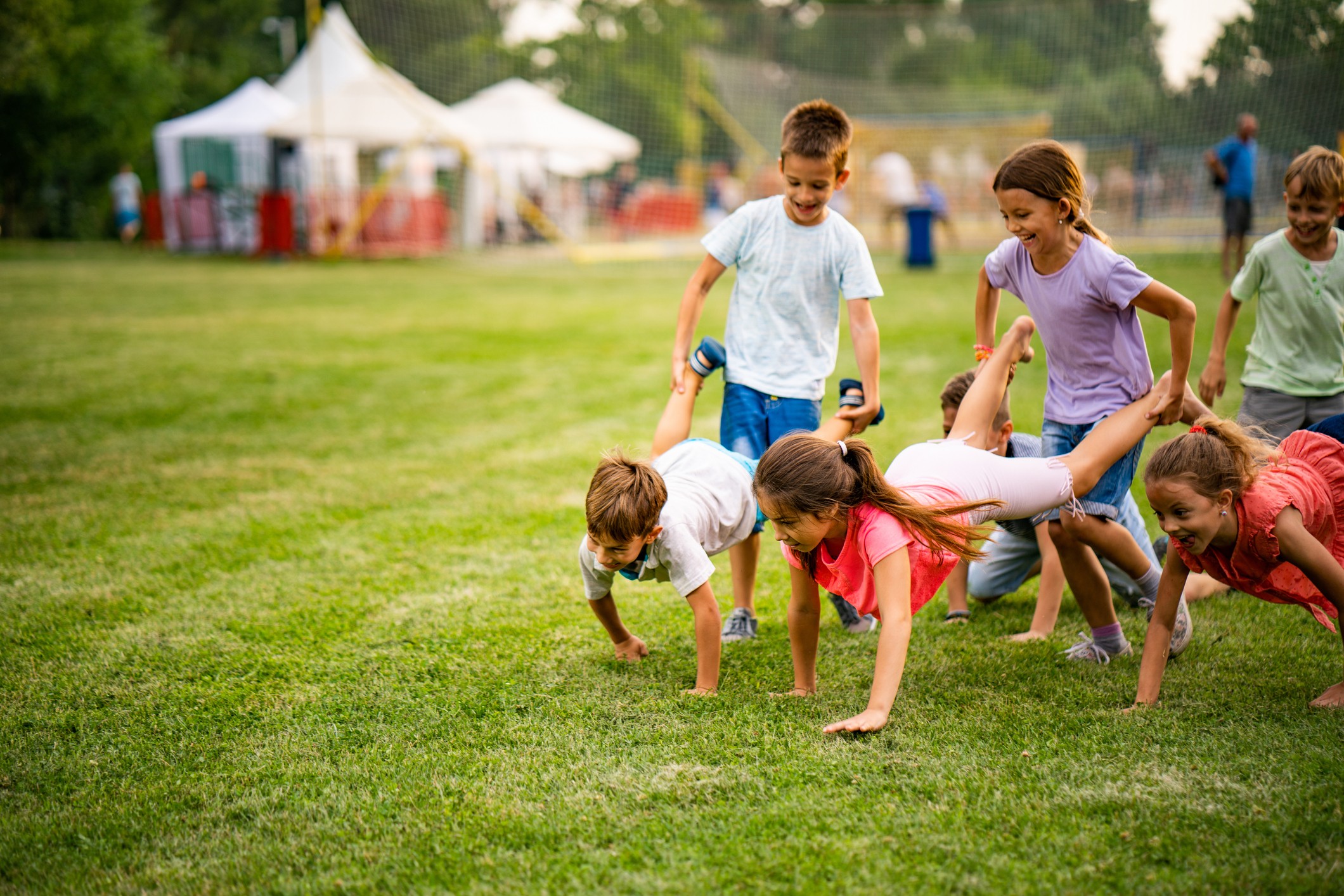
Children want adventure. The city opens up before them as a vast place to explore. A low wall becomes a balance beam, a mount of dirt becomes a mountain, a fountain becomes a swimming pool. They don’t always need a dedicated playground. What they need is room to run, climb and explore.
Teens and young adults are looking for something different. They want a hangout, a “third place” of their own, as sociologist Ray Oldenburg called those spots beyond home and school or work where people can simply spend time with others. For Gen Z, that spot is often a square, a park or a street corner with Wi-Fi.
Parents, on the other hand, look for a place where their kids can play freely while they finally get to relax for a bit. They want a breather. A little shade. And the feeling that, if only for a few minutes, everything is under control.
And older adults? They want company. Somewhere to rest, to chat with a neighbor, to watch life go by. Because at every age, the city is first and foremost a way of not being alone.
3 cities, 1 idea
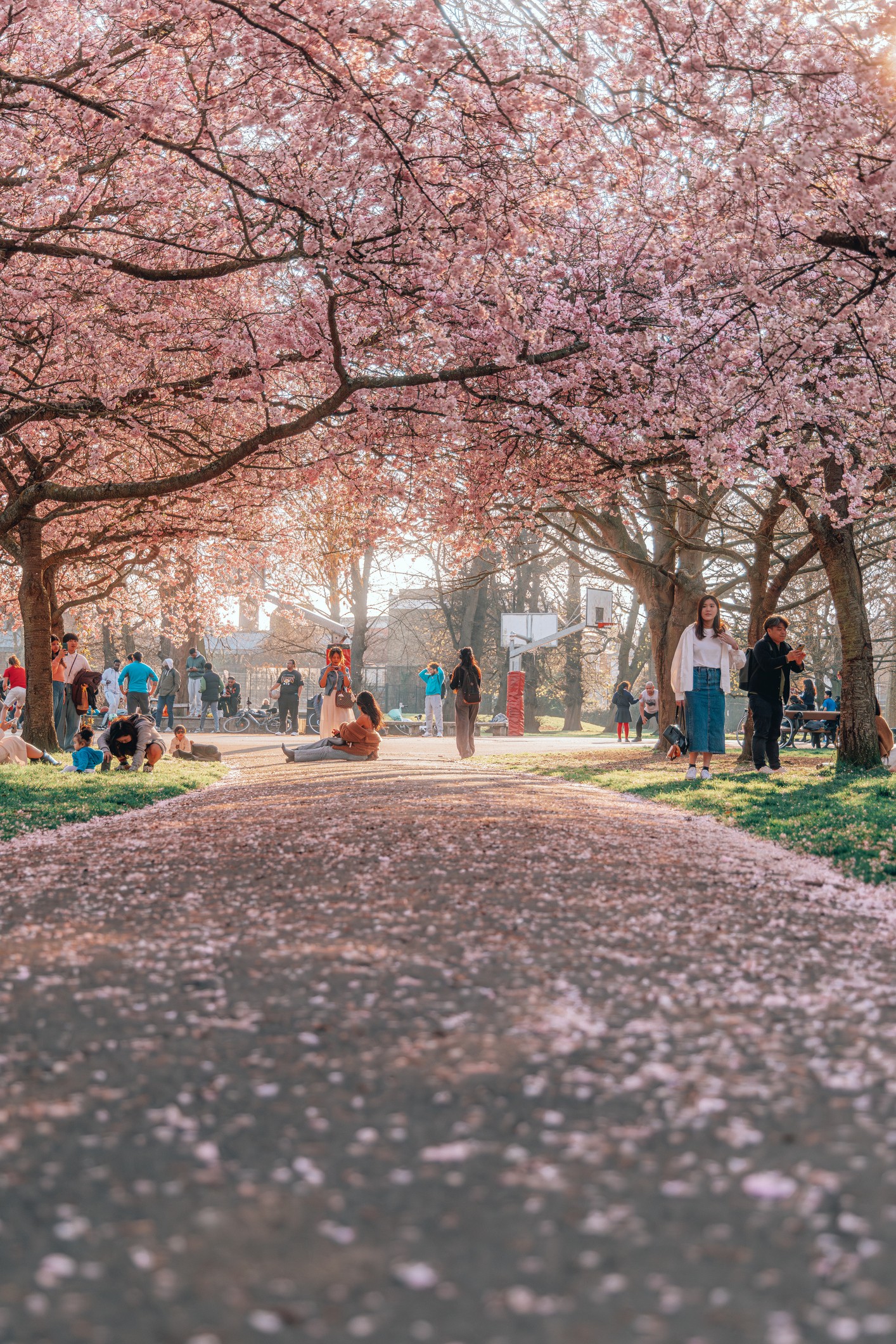
In New York, an abandoned rail line was transformed into the High Line, an elevated linear garden that draws millions of visitors every year. Older adults choose it for a stroll, young people for an afternoon date, and families for an outing free of cars.
In Copenhagen, the Superkilen park was designed in partnership with local residents. People from a multicultural neighborhood suggested objects from their places of origin, and the result was a space for sports, play and relaxation, with features from dozens of countries.
In Barcelona, the superilles, or “superblocks”, closed off sections of streets to traffic and turned them into small squares with benches, trees and play areas. Where there was once an intersection, grandparents and grandchildren now share strolls and playtime.
All of these examples have one thing in common: they let every age find its place.
The stroll as a way of life
In Athens, going out for a stroll has always been, and still is, something for every age: a grandfather holding his grandchild’s hand, a group of friends grabbing a table next to a family, a first date in the neighborhood square.
That spirit runs through spaces that welcome everyone. The stone paths designed by renowned Greek architect Pikionis on Philopappos Hill and the slopes of Lycabettus Hill offer a pocket of nature and are popular with early-morning walkers and groups of students alike. The Grand Promenade around the Acropolis links Dionysou Areopagitou and Apostolou Pavlou streets into a route steeped in history; one that comes alive every afternoon with baby strollers, kids on scooters and couples out for a walk.
Athens has always known how to share its public spaces. But it is a dense city, with limited green spaces and increasingly hotter summers. That is why every new open gathering place added to the urban fabric is one more promise that the stroll will continue to belong to everyone.
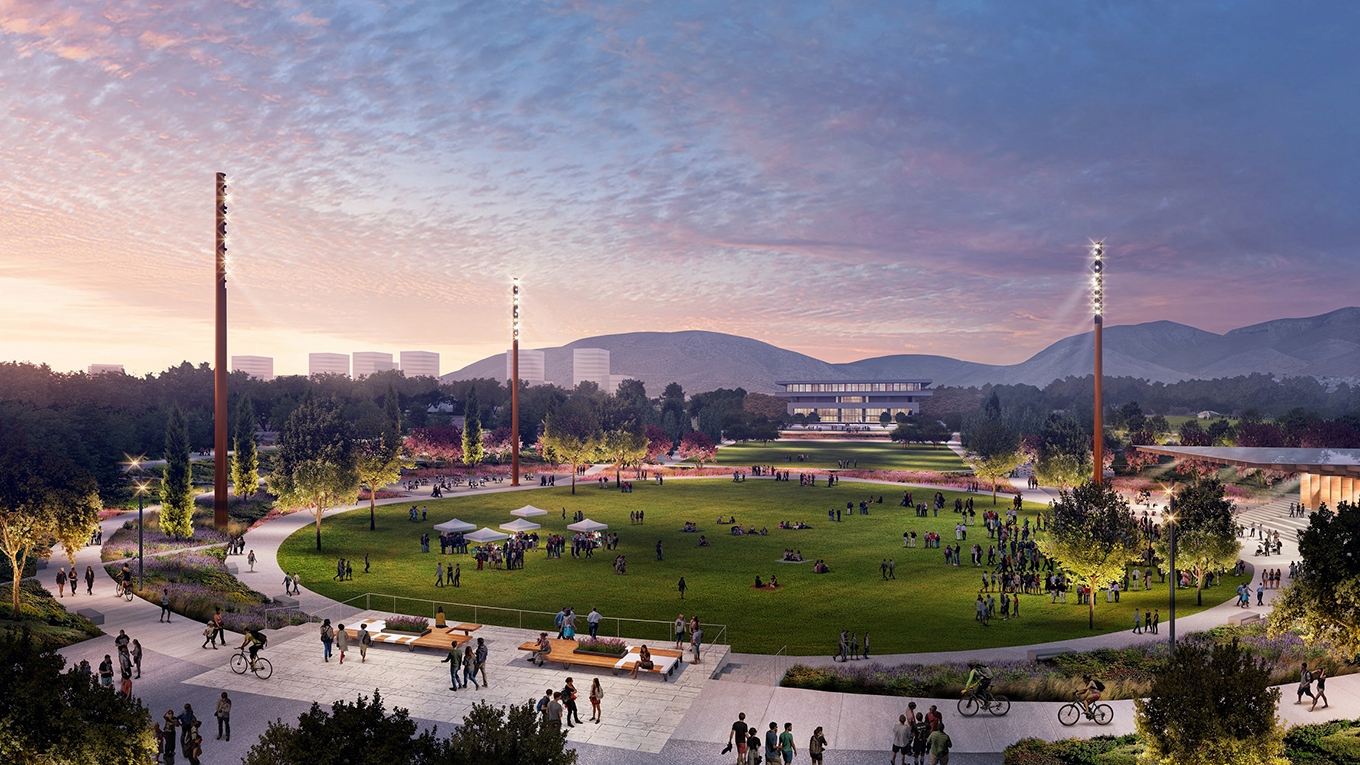
It is a promise The Ellinikon Park, one of the largest coastal parks in the world, sets out to keep. From the playground and interactive fountain of the Experience Park to the open sports fields and green expanses of the Sports Park, a place is taking shape where every age will find its own reason to return. A city with room for every generation, together.