
The art of doing nothing: slow living in the city

Alarms, notifications and a to-do list that just keeps getting longer. In today's cities, everyday life moves at a fast pace; there never seem to be enough hours for everything you have to do, and even your free time comes with a schedule. In this environment, the very idea of doing absolutely nothing sounds almost radical. And yet, a pause may be exactly what you need to find your pace again.
From a protest in Rome to a way of life
Today, the term "slow living" is everywhere, from lifestyle magazines to social media. However, its story began long before hashtags, in Rome in 1986, when a McDonald's opened in Piazza di Spagna. The public reacted strongly, and Italian journalist Carlo Petrini joined the protests in a very Italian way: he handed out plates with pasta to the demonstrators. That protest gave rise to Slow Food, a movement built on the belief that food deserves time, attention and respect for local tradition.
Its philosophy soon spread beyond the kitchen. In 1999, the Cittaslow network was founded in Italy, and today it brings together small towns around the world that share a commitment to quality of life. Five years later, Carl Honoré's book In Praise of Slow gave the phenomenon a name and global reach.
So what exactly is slow living? It isn't life in slow motion, but life with intent: consciously choosing when to rush and when to stop. Slow living doesn't ask you to leave the city behind. It invites you to inhabit it differently, discovering the small pauses hidden in your day-to-day life.
One need, many words
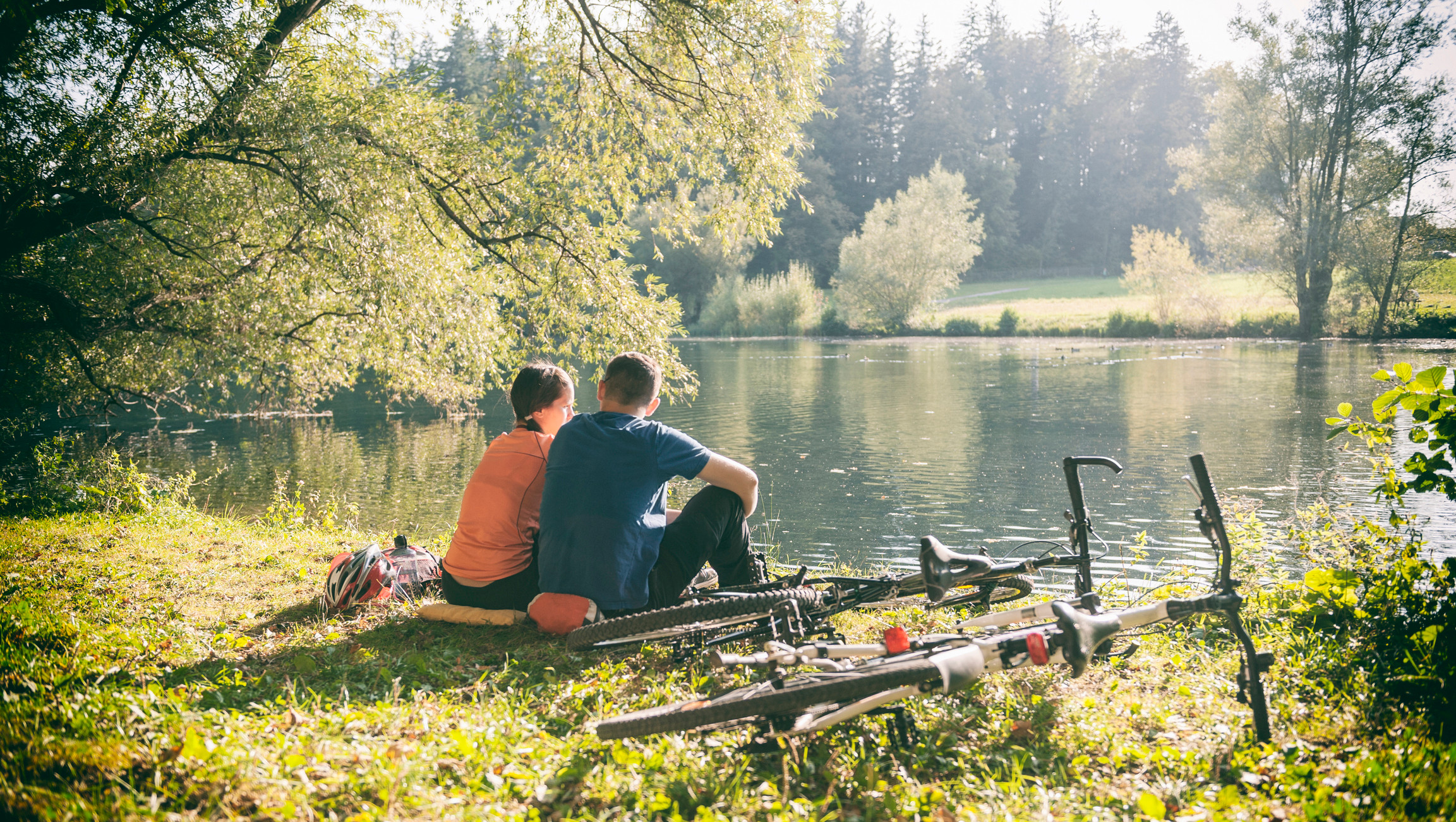
Slow living may be a relatively new term, but the need it describes is much older. In Italy, dolce far niente celebrates the sweetness of idleness: a sunny courtyard, a glass of wine, a clock-free, guilt-free afternoon.
In the Netherlands, niksen describes something even simpler: sitting without purpose, gazing out the window, and letting your mind wander. In Denmark, hygge has become almost synonymous with the comfort and warmth that come from a candle, a hot drink and good company.
Different words, yet they all describe the same human need: to stop, to rest our minds, and to make room for thoughts and imagination. It's no coincidence that our best ideas often come to us on a walk or in the shower, and not in front of a computer or phone screen. After all, doing nothing isn't laziness. It's an art. And like any art, it takes practice.
Small pauses in a big city
The good news is that this kind of practice doesn't require major changes. It can start with small moments that are already part of our daily lives, moments we usually overlook.
Try, for example, going for a walk without knowing where you'll end up. An unfamiliar side street, an old building or a storefront that catches your eye can become the starting point for a different route. The city reveals other sides of itself when you walk to get to know it, not just to get somewhere.
The same goes for taking a break in a square or a park, on a bench where you simply look around. Or for having coffee outside, with no emails and no scrolling, just you, the cup, and the street in front of you. Ten minutes are enough to notice the things that usually slip past you and to change the pace of the day.
And if you want to take it a step further, you can set aside an hour each week with nothing planned at all. None of these pauses costs anything, and none of them takes up much time. All it takes is to stop thinking of them as wasted moments.
Athens knows how to slow down
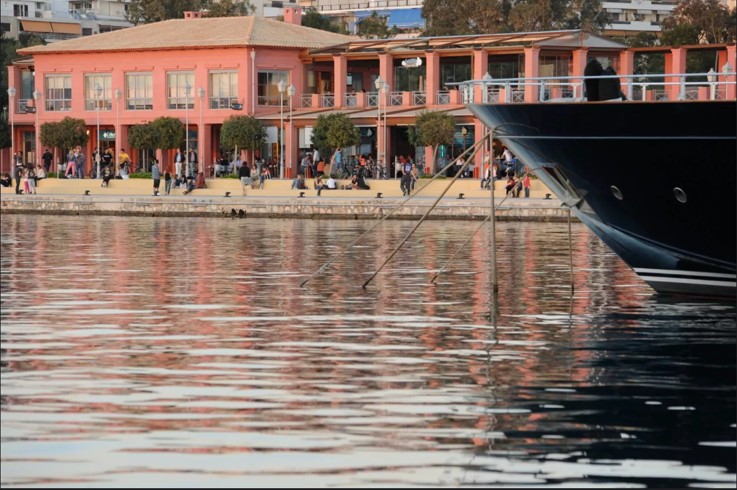
For those who live in Athens, the idea of pausing is nothing new. When they say "let's go for coffee", they mean a table outside, good conversation, and hours that go by without anyone counting them. And the city itself is full of opportunities like these.
In neighborhood squares, life moves slower than on the main streets. The shaded paths of the National Garden and the pedestrian walkway of Dionysiou Areopagitou Street offer a relaxed escape, while on Philopappos Hill the view can easily make you lose track of time.
And then there's the sea, offering perhaps the most Athenian way to unwind. At Flisvos Marina, a stroll along the water and an evening sunset feel like a mini vacation in the heart of the city. A little farther south, The Ellinikon is bringing new green spaces to the coastline for walks, relaxation and free time. Places where the art of doing nothing finally finds its home.